Anaplastic thyroid cancer is the most aggressive form of thyroid cancer, and a complete cure remains uncommon. But modern multimodal treatment, combining surgery, radiation, and targeted drugs, has genuinely improved outcomes in recent years. For patients whose tumour carries the BRAF mutation, newer combination therapies are extending life by years rather than months. The chance of long term control depends heavily on early diagnosis and treatment at a specialist centre.
According to Prof. Dr. Sandeep Nayak, an expert in thyroid cancer treatment in India, “Anaplastic thyroid cancer used to be a sentence. Today, with the right multimodal plan started fast, some patients are living far longer than the old textbooks ever predicted, and a few are doing genuinely well.”
Want to understand what realistic treatment options exist for your stage of anaplastic thyroid cancer?
Why Is Anaplastic Thyroid Cancer So Aggressive?
Anaplastic thyroid cancer behaves nothing like the more common papillary or follicular types. Its cells are undifferentiated, meaning they have lost the normal thyroid structure and grow rapidly. Understanding the behaviour is the first step to understanding the treatment.
- Rapid growth: ATC can double in size within weeks. A neck lump that seemed small at one appointment may feel different at the next. This speed is why patients are usually advised to start treatment within days of diagnosis, not weeks.
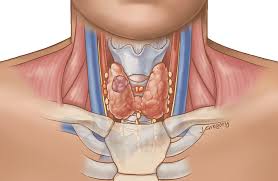
- Local spread: The tumour quickly invades surrounding tissues, the windpipe, voice box, and major blood vessels of the neck. That is why breathing difficulty or hoarseness is often present at diagnosis, and why airway protection is an early treatment priority.
- Distant metastasis: About half of patients already have spread to the lungs, bones, or brain at the time of diagnosis. This shifts the treatment focus from surgical cure alone to systemic control of the disease.
- Resistance to iodine: Unlike differentiated thyroid cancers, ATC cells do not absorb radioactive iodine. So the standard follow up tool used for other thyroid cancers simply does not work here. Treatment relies instead on external radiation, drugs, and surgery.
The right thyroid surgery plan for ATC is built around how much disease can be safely removed and how quickly other treatments can begin.
What Treatments Offer the Best Chance of Long Term Survival?
Survival in ATC has genuinely improved, particularly for patients diagnosed early and treated at a specialist centre. The honest picture is mixed, but it is no longer all bad news.
- Surgery: Complete removal of the tumour, when possible, remains the single strongest predictor of survival. The challenge is that the disease often invades structures that make complete resection technically difficult, which is why experienced surgical judgement matters so much.
- Radiation: High dose external beam radiation, often given alongside chemotherapy, is used to control local disease and protect the airway. Doses above 33 Gy are linked to meaningfully better survival in published series.
- Targeted therapy: This is where the biggest shift has happened. For tumours carrying the BRAF V600E mutation, the combination of dabrafenib and trametinib (often with immunotherapy) has produced median survival of around 5 years in some studies. That was unimaginable a decade ago.
- Multidisciplinary care: No single doctor manages ATC alone. Surgeons, oncologists, radiation specialists, pathologists, and palliative care experts work together from day one. That coordinated care is what turns months of survival into years for the patients who respond.
Our blog on thyroid cancer metastasis to bone explains how advanced thyroid cancer can spread, and why early specialist intervention changes the outcome.
Why Choose Dr. Sandeep Nayak for Thyroid Cancer Treatment in India?
Dr. Sandeep Nayak brings over two decades of surgical oncology experience, DNB qualifications in Surgical Oncology and General Surgery, and a fellowship in Laparoscopic and Robotic Onco-Surgery to thyroid cancer treatment in India at MACS Clinic and KIMS Hospital, Bangalore. He has handled the full spectrum of thyroid cancers, from early papillary disease to advanced anaplastic tumours, and works within a multidisciplinary team that brings surgery, radiation, and targeted therapy together from the first consultation. For patients facing aggressive disease, that speed and coordination genuinely matters. Real assessment, honest answers, fast action. Call +91 9482202240 to book your consultation.
Frequently Asked Questions
Is anaplastic thyroid cancer always fatal?
It was once considered almost always fatal, but modern multimodal therapy has improved survival for selected patients.
What is the survival rate for anaplastic thyroid cancer?
Median survival has historically been a few months, but it now reaches years for some patients with BRAF mutations.
Can surgery cure anaplastic thyroid cancer?
Surgery alone rarely cures ATC, but complete removal combined with other treatments offers the best chance.
How quickly should treatment for anaplastic thyroid cancer start?
Treatment should begin within days of diagnosis, because the disease grows very rapidly.
Reference links:
- National Cancer Institute, Anaplastic Thyroid Cancer Treatment
- National Library of Medicine, Multimodal Treatment of Anaplastic Thyroid Cancer
Disclaimer: The information shared in this content is for educational purposes and not for promotional use.