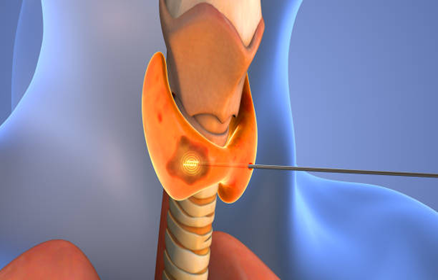
The thyroid is a small, butterfly-shaped gland located in the neck that plays a vital role in regulating metabolism, energy levels, and overall hormonal balance. It produces hormones that influence how the body uses energy, controls heart rate, and maintains body temperature.
Sometimes, abnormal growths known as nodules can develop in the thyroid gland. While most are harmless, some become overactive and start producing excess hormones. These are called toxic (hot) thyroid nodules, which can lead to hyperthyroidism and affect multiple body functions.
Dr. Sandeep Nayak, a prominent surgical oncologist in India, explains, “Toxic thyroid nodules behave differently from regular nodules as they actively produce hormones, often leading to noticeable symptoms that require timely evaluation.” He further emphasizes that early diagnosis and appropriate treatment are key to preventing complications.
Dr. Nayak and his expert team offer advanced care for patients with toxic (hot) thyroid nodules, combining precise diagnosis with effective treatment strategies. With extensive experience in thyroid and endocrine surgery, he is known for delivering safe, personalized care. His expertise in managing complex thyroid conditions, along with a patient-focused approach, ensures optimal outcomes.
Not all thyroid nodules are the same. Here’s what sets these apart.
What are Toxic (Hot) Thyroid Nodules?

Toxic thyroid nodules, also called hot thyroid nodules or hyperfunctioning thyroid nodules, are growths in the thyroid gland that produce excess thyroid hormones independently. Unlike normal thyroid tissue, these nodules function without regulation from the body’s hormonal control system.
They are termed “hot” because they appear highly active on a thyroid scan, showing increased uptake of radioactive material. This overactivity can lead to symptoms of hyperthyroidism and requires proper evaluation and treatment.
What leads to these overactive nodules? Let’s understand
Causes of Toxic (Hot) Thyroid Nodules
The exact cause of hyperthyroidism behind toxic nodules is not always clear, but several factors may contribute:
- Abnormal growth of thyroid cells
- Genetic mutations affecting hormone regulation
- Long-standing, untreated thyroid nodules
- Iodine imbalance in the body
These factors can trigger a nodule to become overactive, leading to excess hormone production.
Noticing unusual symptoms? Here’s what to watch for
Symptoms of Toxic Thyroid Nodules

Since these nodules produce excess hormones, symptoms are related to hyperthyroidism:
- Rapid or irregular heartbeat
- Unexplained weight loss
- Increased sweating
- Nervousness or anxiety
- Tremors in hands
- Heat intolerance
- Fatigue despite increased activity
Recognizing these thyroid nodule symptoms early can help in timely diagnosis.
Wondering if you’re at risk? Let’s find out
Who Is at Risk?
The following people are more likely to develop toxic thyroid nodules:
* People who are older than 40 years
* Women (higher risk compared to men)
* People with a history of thyroid nodules
* Individuals with iodine imbalance
* Family history of thyroid disorders
Understanding your risk factors can help with early screening and prevention.
Suspecting a thyroid issue? Let’s understand how it’s identified
How Toxic Thyroid Nodules Are Diagnosed
The following tests are used for diagnosis:
- Blood Tests: Measure thyroid hormone levels (T3, T4, TSH) to detect hyperthyroidism.

- Thyroid Scan: It is used to identify hot thyroid nodules through imaging by showing the high level of activity of the thyroid.
- Ultrasound: Helps assess the size, structure, and number of nodules.

- Biopsy (if needed): Fine needle aspiration may be done to rule out malignancy in certain cases.
A combination of these tests ensures accurate diagnosis and helps plan the right treatment.
What are the treatment choices? Let’s break down the options clearly
Treatment Options for Toxic (Hot) Thyroid Nodules
The choice of toxic thyroid nodule treatment depends on the size of the nodule, the severity of symptoms, and overall health:
- Medications:
Anti-thyroid drugs help control excess hormone production and manage symptoms temporarily.
- Radioactive Iodine Therapy:

A commonly used treatment that targets and destroys overactive thyroid tissue in hot thyroid nodules.

Surgical removal of the nodule or part of the thyroid offers a long-term solution, especially for large or symptomatic nodules.
- Beta-Blockers:
These medications help control symptoms like rapid heartbeat, tremors, and anxiety caused by hyperthyroidism.
Ignoring symptoms? Here’s what could happen
Ignoring symptoms? Here’s what could happen
If left untreated, toxic thyroid nodules can lead to serious complications:
* Persistent hyperthyroidism
* Heart rhythm problems
* Bone loss (osteoporosis)
* Thyroid storm – a rare but severe condition
Early treatment helps prevent these long-term health risks.
Noticing unusual symptoms? Here’s when to seek medical help
When to See a Doctor

You should consult a doctor if you experience:
- Persistent symptoms of hyperthyroidism, such as palpitations or weight loss
- A visible or growing lump in the neck
- Difficulty swallowing or breathing
- Ongoing fatigue, anxiety, or tremors
Early consultation ensures accurate diagnosis and effective management.
Conclusion
Toxic (Hot) thyroid nodules are a manageable condition when diagnosed early and treated appropriately. While they can cause significant symptoms due to excess hormone production, modern diagnostic tools and treatment options offer effective solutions.
From medications to thyroid surgery, timely intervention from a competent specialist like Dr. Sandeep Nayak can restore hormonal balance and improve quality of life. Understanding symptoms, risk factors, and treatment options is key to better outcomes and long-term health.
Frequently Asked Questions
1. When Is Surgery Recommended?
2. Are Toxic Thyroid Nodules Cancerous?
3. Can toxic thyroid nodules go away on their own?
4. Is surgery necessary for hot thyroid nodules?
5. Can toxic thyroid nodules become cancerous?
6. What is the best treatment for toxic thyroid nodules?
7. Can stress worsen thyroid symptoms?
Reference links:
https://www.yourhormones.info/endocrine-conditions/toxic-thyroid-nodule/
https://www.thyroid.org/toxic-nodule-multinodular-goiter/
Disclaimer: The information shared in this content is for educational purposes and not for promotional use.