Thyroid cancer is one of the most commonly diagnosed endocrine cancers globally, with a steadily increasing number of cases in India due to improved screening and awareness. The condition is highly treatable, especially when detected early, and most patients respond well to treatment.
However, recovery does not end after surgery or therapy; it continues with long-term care, lifestyle adjustments, and regular monitoring. Understanding life after thyroid cancer is essential for maintaining hormonal balance, preventing recurrence, and ensuring overall well-being.
Dr. Sandeep Nayak, a globally recognized surgical oncologist in India, explains, “Post-treatment care is crucial in thyroid cancer. Consistent follow-up, proper hormone therapy, and a healthy lifestyle help patients lead a normal and active life.” He also emphasizes that awareness and structured care significantly improve long-term outcomes.
Dr. Nayak is well-known for providing the best cancer treatment in Bangalore at MACS Clinic. With extensive expertise in thyroid and endocrine cancer surgeries, he has helped numerous patients navigate every stage of life after thyroid cancer with confidence. His patient-focused approach, combined with advanced treatment techniques, ensures personalized care, making him a trusted oncologist in India for effective recovery and long-term health management.
What Happens After Thyroid Cancer Treatment?
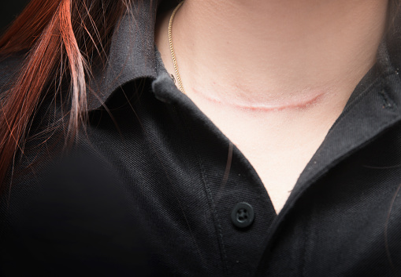
After thyroid cancer treatment, usually surgery, radioactive iodine therapy, or both, the body begins the recovery phase. Since the thyroid gland plays a crucial role in regulating metabolism, its removal or damage means the body must adapt to new hormonal conditions.
Patients may experience:
* Changes in energy levels
* Need for lifelong medication
* Regular check-ups through blood tests and scans
The emphasis is on thyroid cancer recovery after treatment to make sure that the body functions normally and stays free of cancer.
Diet After Thyroid Cancer

A balanced diet after thyroid cancer helps with healing and enhances energy levels and overall well-being.
Recommended foods:
* Fresh fruits and vegetables
* Whole grains
* Lean protein foods such as eggs, legumes, and fish
* Calcium-rich foods for bone health
Foods to limit:
* Too much iodine (only when recommended as part of particular treatments)
* Processed foods and high-sugar foods.
* Excess soy products (in some cases)
A well-planned diet can maintain metabolism and support long term recovery.
Life Long Hormone Therapy

After thyroid removal, the body cannot produce thyroid hormones naturally. This makes thyroid hormone therapy after thyroid cancer essential.
Key points:
* Replacement of missing hormones is done by daily medication
* Assists in maintaining normal metabolism
* Prevents cancer recurrence in some cases
* Needs regular dose adjustments
This therapy is typically lifelong and plays a central role in maintaining general health.
Follow-Up Care After Thyroid Cancer

Regular thyroid cancer follow-up is critical for detecting recurrence early and ensuring proper hormone levels.
Follow-up typically includes:
* Physical examinations
* Blood tests (TSH, thyroglobulin levels)
* Imaging tests when required
The frequency of follow-ups may decrease over time, but it remains important throughout life.
Managing Side Effects After Treatment

Some patients may experience side effects such as:
- Fatigue: Common after treatment; managed with rest, light activity, and balanced nutrition.
- Weight Changes: Hormonal imbalance may cause weight gain or loss, which can be controlled with diet and medication.
- Voice Changes: Usually temporary and improve over time with care and monitoring.
- Calcium Imbalance: May occur after surgery; managed with supplements if needed.
- Mood Changes: Hormonal shifts can affect mood, which can be improved with proper medication and support.
Lifestyle Tips for Long-Term Health
Healthy lifestyle habits can significantly improve life after thyroid cancer:
- Maintain a balanced diet
- Stay physically active
- Manage stress through relaxation techniques
- Take medications regularly
- Avoid smoking and limit alcohol
These steps support long-term wellness and reduce the risk of complications.
When to Call Your Doctor

You should consult a doctor if you notice:
- Persistent fatigue or weakness
- Sudden weight changes
- Difficulty swallowing or breathing
- Swelling in the neck
- Unusual symptoms or discomfort
Early medical attention helps address issues before they become serious.
Long-Term Outlook After Thyroid Cancer
The long-term outlook for thyroid cancer patients is generally excellent, especially when diagnosed early. With proper thyroid cancer recovery, hormone therapy, and regular follow-up, most patients lead normal, healthy lives.
Key highlights:
- High survival rates
- Low recurrence with proper care
- Good quality of life
Staying consistent with treatment and follow-up with seasoned experts like Dr. Sandeep Nayak ensures the best outcomes.
Frequently Asked Questions
1. What should I eat after thyroid cancer surgery?
2. How long do I need to take thyroid hormone medication?
3. Can thyroid cancer come back after treatment?
4. How often should I do follow-up tests after thyroid cancer?
5. Can I live a normal life after thyroid cancer?
6. Is weight gain common after thyroid cancer treatment?
7. What foods should I avoid after thyroid cancer?
8. Is thyroid cancer recovery slow?
Reference links:
https://www.cancer.org/cancer/types/thyroid-cancer/after-treatment/follow-up.html
Disclaimer: The information shared in this content is for educational purposes and not for promotional use.