Are All Thyroid Nodules Cancerous?
With the increasing use of neck
ultrasounds, we are detecting many thyroid nodules that may have gone unnoticed
in the past. Naturally, this can make patients wonder: “Do I need
treatment?”
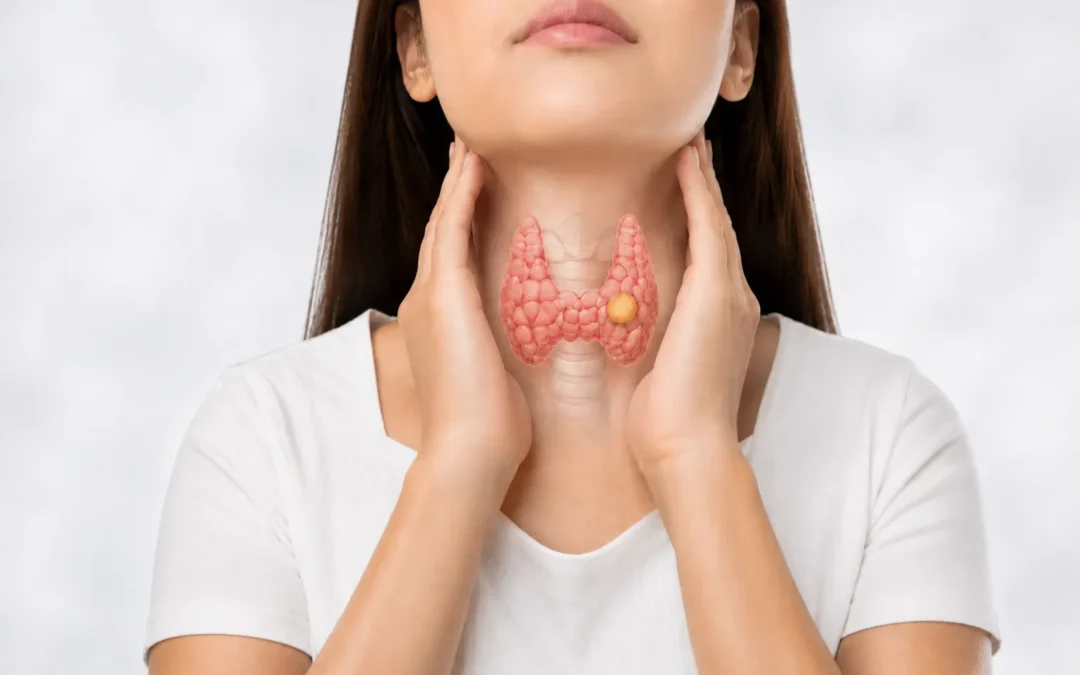
The reassuring answer is: No, not all
thyroid nodules are dangerous.
Only around 5–10% of thyroid nodules
may harbour cancer, and the vast majority of thyroid cancers are highly
treatable and curable.
Have a thyroid nodule? Book a consultation for expert evaluation.
How Are Thyroid Nodules Evaluated?
Ultrasound helps us assess a nodule based
on its size and specific features and classify its risk. Depending on these
findings, you may be advised to undergo an FNAC (fine-needle aspiration
cytology)—a simple test in which a very small needle is used to collect
cells from the nodule. These cells are then examined under a microscope to
determine whether the nodule is benign or suspicious for cancer.
Does Every Thyroid Nodule Require Surgery?
Surgery is not automatically required
just because you have a thyroid nodule. Most benign nodules can simply be
monitored.
Occasionally, even a benign thyroid
swelling may need removal if it becomes very large, causes difficulty in
swallowing or breathing, or extends down into the chest.
What Are the Treatment Options for Thyroid Nodules?
The good news is that thyroid nodules
and thyroid cancers are among the most treatable conditions we encounter.
And when surgery is required, selected patients may be candidates for minimally
invasive, remote-access techniques such as the RABIT approach, which can
avoid a conventional visible neck scar.
Concerned about a thyroid nodule? Get expert guidance today.
What Should You Do If You Find a Thyroid Nodule?
So, if you discover a thyroid nodule, don’t
panic—get it assessed appropriately. A nodule is not a diagnosis of cancer.
FAQ Section
1. Are thyroid nodules common?
Yes, thyroid nodules are extremely common, especially as ultrasound use has increased. Many people have one or more nodules without ever experiencing symptoms, and most turn out to be benign.
2. What are the warning signs that a thyroid nodule could be cancerous?
Features such as rapid growth, hoarseness of voice, difficulty swallowing, hard or fixed swelling, or enlarged neck lymph nodes may raise suspicion. However, many cancerous nodules show no obvious symptoms at all, which is why proper ultrasound evaluation and, if needed, FNAC are important.
3. Is FNAC painful?
FNAC is a quick outpatient procedure performed with a very fine needle, similar to a routine blood draw. It is generally well tolerated and does not usually require anaesthesia.
4. If my FNAC report says "benign," do I need any further action?
Benign nodules are typically monitored with periodic clinical review and repeat ultrasounds, rather than immediate treatment. Your doctor will advise on the right follow-up interval based on the nodule’s characteristics.
5. What is the RABIT approach, and who is eligible for it?
RABIT is a minimally invasive, remote-access surgical technique that allows removal of the thyroid without a visible scar on the neck. Eligibility depends on factors like nodule size, location, and cancer characteristics, so it’s best assessed on a case-by-case basis by a specialist.